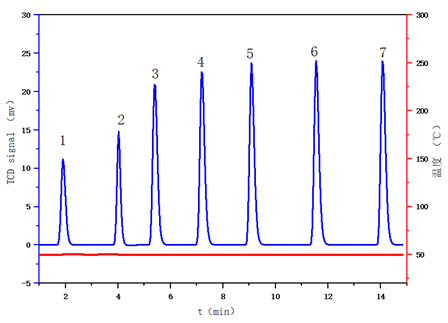

The temperature programmed oxidation (TPO) technology has a high degree of similarity with TPR in terms of principles, equipment, and operation. The difference between TPR, TPD, and TPO is that TPR contains a certain amount of reducing gas when introduced into the carrier gas, and its consumption is detected. The main focus is on studying the interactions between metal oxides and between metals and carriers; TPD introduces specific adsorption desorption gases, mainly studying the distribution and strength of active centers; TPO introduces a certain concentration of O2 into the carrier gas, and detects the O2/CO2/CO content in the exhaust gas, mainly studying the difficulty and location of carbon deposition.
Programmed temperature oxidation is a sensitive method for studying catalyst carbon deposition and its correlation with reaction performance. The activity of the catalyst gradually decreases during use. One of the reasons is that there are carbon deposits on the surface of the catalyst, and TPO method is an effective means to study the mechanism of carbon deposits on the catalyst.
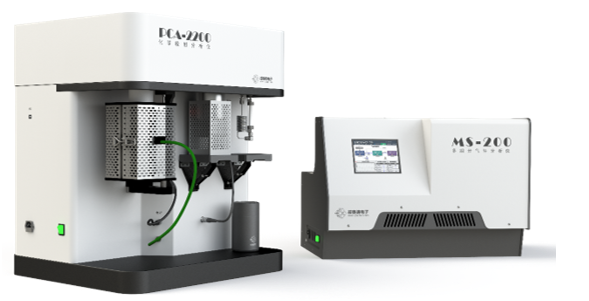
Builder PCA2200 fully automatic chemical adsorption instrument is capable of characterizing various programmed temperature reactions and competitive adsorption reactions such as TPD, TPR, TPO, TPS, etc.
contact
Be the first to know about our new product launches, latest blog posts and more.Any question or request?
Click below, we’ll be happy to assist. contact